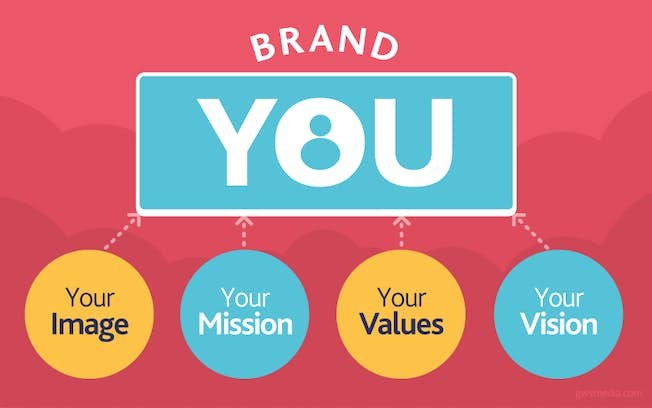
Marketers are no longer just behind-the-scenes strategists. They are creators, thought leaders, educators, and brand ambassadors. Whether you’re a freelancer, in-house marketer, consultant, or agency owner, your personal brand can become one of your most powerful career assets.
A strong personal brand builds trust, attracts opportunities, differentiates you from competitors, and positions you as an authority in your niche. In a crowded online space, standing out is not about being louder—it’s about being clearer, more consistent, and more valuable.
Here’s how marketers can build a personal brand that truly stands out online.
1. Define Your Unique Positioning
Before posting content or updating your profile, you need clarity.
Ask yourself:
- What specific area of marketing do I specialize in?
- Who do I help?
- What problems do I solve?
- What results can I demonstrate?
“Digital marketer” is too broad. “Helping SaaS startups scale through performance marketing” is specific.
The more niche your positioning, the easier it becomes for people to remember you.
Why This Works
Clarity reduces confusion. When people instantly understand what you do and who you serve, referrals and opportunities increase.
2. Optimize Your LinkedIn Presence
For most marketers, LinkedIn is the most important personal branding platform.
To stand out:
- Write a benefit-driven headline (not just your job title)
- Use a professional, approachable profile photo
- Add measurable achievements in your summary
- Showcase case studies and projects
- Publish consistent thought-leadership posts
Your LinkedIn profile should function as a landing page for your expertise.
Pro Tip
Focus your summary on the value you create, not just your experience history.
3. Create Consistent, High-Value Content
Content builds authority. If you want to be known for something, you must talk about it regularly.
Choose 2–3 content pillars such as:
- Paid advertising strategies
- SEO insights
- Email marketing optimization
- AI tools for marketing
- Growth experiments
Then publish content consistently across platforms like:
- X
Consistency builds familiarity. Familiarity builds trust.
Why It Works
Most professionals quit content creation too early. The marketers who stand out are those who stay consistent long enough to build recognition.
4. Share Results, Not Just Opinions
Anyone can share marketing opinions. Fewer people share real data.
Instead of saying:
“Email marketing is powerful.”
Say:
“After optimizing segmentation, our email CTR increased from 2.1% to 4.8% in 30 days.”
Specific results create credibility.
Ways to Showcase Proof:
- Case studies
- Before-and-after analytics
- Campaign breakdowns
- Lessons learned from failed experiments
Transparency makes your brand more authentic and relatable.
5. Develop a Recognizable Voice
Your tone matters.
Are you:
- Analytical and data-driven?
- Bold and opinionated?
- Educational and structured?
- Conversational and relatable?
You don’t need to copy industry influencers. In fact, imitation weakens your brand.
Why It Works
People connect with personality, not perfection. A consistent voice makes your content instantly recognizable.
6. Leverage Video to Build Trust Faster
Video accelerates personal brand growth.
Platforms like YouTube and Instagram allow marketers to:
- Break down marketing strategies
- Share behind-the-scenes processes
- Offer quick tips
- Analyze campaign examples
Seeing and hearing you builds stronger trust than text alone.
Tip
Start with short-form educational videos. Authenticity often outperforms high production quality.
7. Engage, Don’t Just Broadcast
Personal branding is not just about posting—it’s about participating.
To grow visibility:
- Comment thoughtfully on industry posts
- Engage in marketing discussions
- Respond to every meaningful comment
- Collaborate with other creators
Platforms reward engagement. Conversations expand reach.
8. Build Authority Through Thought Leadership
Thought leadership doesn’t mean being controversial for attention. It means offering insights that challenge common assumptions.
Examples:
- “Why most Facebook ad strategies fail in 2026”
- “The hidden cost of over-automation in marketing”
- “Why smaller audiences convert better”
Thought leadership content positions you as someone who thinks strategically, not just tactically.
9. Create a Personal Website or Portfolio
While social platforms are powerful, you don’t own them.
Building a personal website allows you to:
- Showcase testimonials
- Present detailed case studies
- Host a blog
- Capture email subscribers
- Highlight your services
This central hub strengthens your credibility and provides a professional touchpoint beyond social media.
10. Use AI to Enhance (Not Replace) Your Brand
AI tools can help you:
- Brainstorm content ideas
- Draft posts
- Analyze performance
- Improve writing clarity
But your insights and perspective must remain original.
Why It Works
AI increases productivity, but authenticity builds reputation.
11. Network Strategically Online
Building a strong personal brand also requires intentional networking.
Use platforms like LinkedIn to:
- Connect with industry leaders
- Send personalized connection messages
- Join relevant groups
- Participate in live events
Relationships often lead to speaking invitations, partnerships, consulting offers, and job opportunities.
12. Be Consistent Across All Channels
Your messaging, visuals, tone, and positioning should align across:
- X
- Your website
- Guest posts
- Podcast appearances
Consistency builds memorability.
If your LinkedIn bio says one thing and your website says another, confusion weakens your brand.
13. Embrace Long-Term Thinking
Personal branding is not a 30-day challenge. It’s a long-term investment.
You may post consistently for months before seeing major traction.
But over time, momentum builds:
- More inbound messages
- Podcast invitations
- Job offers
- Collaboration opportunities
The compound effect of visibility is powerful.
14. Avoid Common Personal Branding Mistakes
To truly stand out, avoid these pitfalls:
- Trying to appeal to everyone
- Posting inconsistently
- Copying trending content without adding insight
- Focusing only on self-promotion
- Ignoring engagement
Your personal brand should offer value first. Promotion comes second.
Why Personal Branding Matters More Than Ever
In a world where companies change, algorithms shift, and job markets fluctuate, your personal brand remains yours.
It provides:
- Career security
- Professional leverage
- Authority in your niche
- Greater income potential
- Control over your reputation
For marketers especially, your personal brand becomes living proof of your skills. If you can’t market yourself, it becomes harder to convince others you can market their business.
Personal branding for marketers is no longer optional—it’s a strategic advantage.
To stand out online:
- Define your niche clearly
- Share measurable insights
- Create consistent, valuable content
- Engage authentically
- Showcase proof
- Think long term
Platforms like LinkedIn, YouTube, and Instagram give you unprecedented access to global audiences.
The opportunity is enormous.
The marketers who invest in their personal brands today will become tomorrow’s industry leaders—not because they shouted the loudest, but because they showed up consistently with clarity, value, and authenticity.