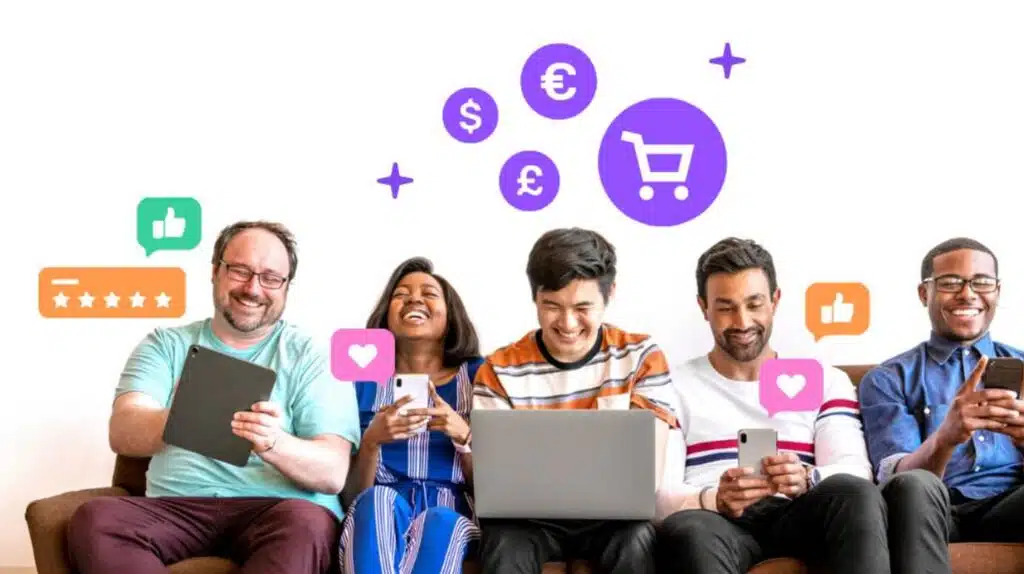
Over the past decade, the boundaries between content, community, and commerce have blurred beyond recognition. By 2026, social media platforms are no longer just hubs of entertainment or connection—they are fully integrated retail ecosystems. From viral TikTok videos driving instant product sellouts to AI-powered live shopping on Instagram and in-app storefronts on YouTube, social commerce has evolved into a trillion-dollar force reshaping digital marketing strategies worldwide.
This fusion of social media and e-commerce—what we now call social commerce—is transforming how brands, influencers, and even everyday users turn content into revenue.
The Rise of Social Commerce
Social commerce emerged as a response to modern consumers’ behaviors: they discover products while scrolling through social feeds rather than searching traditional catalogs. In the early 2020s, platforms like Instagram Shopping and TikTok Shop opened the gates. But as of 2026, nearly every major platform—from Pinterest to LinkedIn—has integrated native shopping features directly into their content interface.
According to recent industry analyses, global social commerce sales surpassed $1.6 trillion in 2025, and are projected to reach $2.1 trillion by 2027. The growth is driven by seamless buying experiences, creator-led recommendations, and AI-enhanced personalization.
Why Content Is the New Storefront
In 2026, content doesn’t just inspire purchases—it hosts them. Videos, carousels, and livestreams serve as virtual storefronts where audiences buy what they see, without leaving the platform. This frictionless model has turned creators and brands into direct sales channels.
Example: A fitness influencer posts a short workout video wearing smart leggings that monitor muscle engagement. With one tap, followers can buy the same leggings within the app, read AI-curated reviews, and receive delivery updates—all without redirecting to an external site. The entire journey, from discovery to checkout, happens within a single content thread.
This evolution marks a shift from “content to drive traffic” to content as the point of sale. The implications for brands and creators are enormous.
Major Platforms Leading the Social Commerce Revolution
Each platform has developed its unique spin on social commerce, expanding the landscape in ways that cater to different user behaviors and interests.
1. TikTok Shop and the Power of Virality
TikTok remains the undisputed leader in social commerce engagement. Its algorithm connects products with hyper-engaged niche audiences. A single viral trend—like the “TikTok Made Me Buy It” phenomenon—can still trigger millions in revenue overnight.
In 2026, the platform has expanded TikTok Shop into tiered storefronts, allowing creators to maintain “micro-stores” for products they endorse. Brands leverage AI analytics to match their goods with trending sounds, boosting discovery through algorithmic marketing.
2. Instagram and the Creator Economy Ecosystem
Meta’s flagship app has matured into a full-scale marketplace. In-app checkout, augmented reality (AR) try-ons, and a new “Creator Storefronts” feature enable influencers to curate multi-brand catalogs. Users can explore these curated stores through shoppable reels, stories, and co-branded Reels ads, bridging entertainment and commerce more seamlessly than ever.
Instagram’s use of AI avatars—virtual assistants representing creators when they’re offline—has also redefined engagement. These avatars, powered by natural language models, answer product questions and recommend complementary items, making influencer marketing a 24/7 operation.
3. YouTube’s Long-form Advantage
YouTube remains the go-to platform for educational and premium product content. In 2026, it fully integrates shopping layers into videos, allowing viewers to click directly on objects detected within a frame.
For example, during a tech review, viewers can see pop-up tags showing prices, specs, and buy buttons for the highlighted products. Livestream shopping—once a niche concept—has become mainstream, providing creators with subscription-based access to analytics on viewer purchase intent and retention.
4. Pinterest and Visual Discovery Commerce
Pinterest combines inspiration with intent. Its 2026 ecosystem uses image recognition to identify style preferences and recommend purchasable items through AI “lookbooks.” As visual search becomes more advanced, users can snap a photo and instantly discover where to buy each item featured in it, turning curiosity into conversion.
5. LinkedIn’s B2B Social Commerce Emergence
Surprisingly, even LinkedIn has entered the social commerce space. Professional creators market e-learning tools, business software, and coaching services through embedded checkout features in posts or newsletters. For B2B brands, the pipeline between posts and purchases has never been shorter.
AI and Automation: The Engines Behind Social Commerce
Artificial intelligence underpins nearly every facet of social commerce in 2026. From audience segmentation to automated video recommendations, AI enables personalization at previously unimaginable scale.
Key innovations include:
- Predictive Product Recommendations: AI analyzes user engagement, mood, and viewing habits to predict what products a person is most likely to buy within the next 24 hours.
- Smart Captioning: AI tools auto-generate captions optimized for discovery, relevance, and emotion, improving content visibility.
- Dynamic Pricing: Real-time adjustments allow prices to fluctuate based on demand, engagement rates, or even the emotional resonance of a trend.
- Generative AI Commerce Creatives: Brands produce hundreds of personalized video variations for different audiences, all generated from a single campaign prompt.
For content creators, this automation means less time spent managing logistics and more time developing authentic, emotionally resonant storytelling—the true currency of modern marketing.
The Creator Economy and Monetization Tactics
By 2026, the creator economy has matured into a stable, diversified business model ecosystem. The line between influencer and entrepreneur is nearly gone.
Common revenue models include:
- Affiliate Commerce 2.0: Commission structures are now real-time. Creators earn based on both immediate sales and longer conversion windows powered by trackable engagement analytics.
- In-App Storefronts: Individual creators host their digital “shops” featuring endorsed or co-branded products.
- Subscription Commerce: Exclusive drops or early access content tied to premium memberships encourage community loyalty.
- AI Co-Creators: Virtual twins of influencers generate additional income streams by appearing in sponsored content and live chats simultaneously across multiple time zones.
Brands, on the other hand, have adopted a creator-first approach: instead of spending millions on generalized ad campaigns, they invest in distributed collaborations across micro and nano influencers who deliver higher trust and conversion ratios.
Consumer Behavior in 2026: The Era of Trust and Transparency
Modern consumers crave authenticity more than ever. Studies show that 86% of social commerce buyers in 2026 consider trustworthiness their main purchase criterion. Shoppers expect transparent pricing, ethical sourcing, and verified user reviews before hitting “buy.”
Emergent trends include:
- Social Proof Commerce: Peer validation drives sales more than traditional advertising.
- Community-Led Shopping: Groups and interest communities host live-shopping sessions or co-purchase experiences.
- AR-Enhanced Reviews: Shoppers record video testimonials showing products in use through augmented overlays, adding credibility to brand claims.
- Sustainability Filters: Buyers can filter listings based on carbon footprint, material source, or brand ethics.
The emotional connection between content and commerce now defines purchase intent. Consumers don’t just buy products—they buy into creators’ values and experiences.
Global Expansion: Social Commerce Beyond the U.S.
Social commerce growth is especially explosive in emerging markets. In regions such as Latin America, Southeast Asia, and Africa, rising smartphone adoption and mobile payment systems have turned social platforms into essential retail tools.
For instance:
- In Brazil and Mexico, WhatsApp Business enables localized micro-commerce, merging chat-based selling with social interaction.
- China continues to dominate with WeChat and Douyin (TikTok’s Chinese counterpart), where integrated mini-programs create entire app ecosystems.
- In India and Indonesia, creators use regional languages and community-driven networks to serve hyper-local audiences.
With digital infrastructure advancing rapidly, small sellers in these countries have gained unprecedented access to global markets, transforming the social economy into an inclusive growth engine.
Challenges and Ethical Considerations
Despite its explosive potential, social commerce faces challenges that reflect broader societal debates about privacy, manipulation, and fairness.
Key issues include:
- Data Privacy: With platforms analyzing user emotions and interactions to influence purchases, ethical concerns about consent and psychological targeting are more relevant than ever.
- Algorithmic Bias: AI-driven recommendations can inadvertently favor larger brands, leaving smaller creators less visible.
- Oversaturation: As every influencer becomes a seller, maintaining originality and consumer trust becomes a battle against fatigue.
- Ad-Content Blurring: Regulations increasingly require distinctions between organic content and paid promotions to ensure transparency.
Governments in the EU, U.S., and Asia have begun drafting Social Commerce Transparency Acts to protect consumers from deceptive practices and to impose fair data-use rules on platforms.
The Future: Convergence of Social, Content, and Commerce
By late 2026, social commerce continues evolving toward a unified, immersive ecosystem where AI, AR, and blockchain integrate to enhance transparency, personalization, and user ownership.
Emerging developments on the horizon include:
- Metaverse Commerce Spaces: Virtual stores hosted within mixed-reality environments let users try and buy in immersive settings.
- Tokenized Loyalty: Blockchain-based loyalty points or creator coins give followers economic participation in creator ecosystems.
- Voice-Driven Shopping: Integration with smart assistants streamlines purchases during audio-based experiences.
- Instant Analytics Dashboards: Real-time insights let brands adjust content strategy minute-by-minute, turning engagement data into adaptive storytelling.
Ultimately, every post, video, or story is a potential transaction, and every interaction an opportunity for conversion. The monetization of social engagement has reached full maturity.
Conclusion: Turning Attention Into Income
Social commerce in 2026 represents the natural evolution of digital entrepreneurship: a world where attention itself is monetizable currency. For brands, it demands creativity, authenticity, and collaboration with creators who embody their values. For content creators, it offers financial independence through community trust and storytelling.
As the gap between inspiration and transaction continues to narrow, those who master the art of blending relevance, authenticity, and technology will redefine what it means to sell—and to connect—online. In this era, content doesn’t just drive commerce.
Content is commerce.